

Key Takeaways
- THCA flower can convert to delta-9 THC when heated, so a raw cannabinoid label does not tell the full story.
- A reliable package identifies the product, batch or lot, net weight, cannabinoid content, and testing information.
- A certificate of analysis, or COA, should match the exact batch shown on the package.
- Potency is only one part of quality. Safety panels for contaminants matter as well.
- State rules for hemp-derived flower can differ significantly and may change over time.
- Using heated THCA flower may create THC metabolites that can be detected in drug testing.
THCA flower is often marketed as hemp flower with high levels of tetrahydrocannabinolic acid (THCA). Whether someone is comparing a wide selection of THCA flower or reviewing a package already in hand, the most useful starting point is the label and its matching laboratory report.
Labels can look straightforward, but cannabinoid percentages, test dates, batch numbers, and safety results all carry important context. A careful review helps shoppers understand what the product contains, how it was tested, and which questions to ask before using it.
What Is THCA Flower?
THCA is an acidic cannabinoid found in cannabis plants. It is chemically distinct from delta-9 THC, the cannabinoid most associated with intoxication, and from CBD. In its unheated form, THCA does not affect the body in the same way as delta-9 THC.
That distinction matters because the flower is commonly exposed to heat. Smoking, vaping, cooking, and some extraction methods can trigger decarboxylation, a chemical change that converts THCA into delta-9 THC. The experience can therefore differ substantially between raw and heated flower.
Why Heating Matters
Decarboxylation sounds technical, but the basic idea is simple. Heat changes THCA into THC. The final result may vary with the temperature used, the amount consumed, the product’s cannabinoid profile, and individual factors such as tolerance. No strain name or terpene list can guarantee a particular effect.
For hemp-production testing, federal guidance accounts for THCA’s potential conversion when calculating total THC. The USDA hemp testing guidance describes total THC as a value that considers both existing delta-9 THC and potential THC derived from THCA.
How To Read a THCA Flower Label
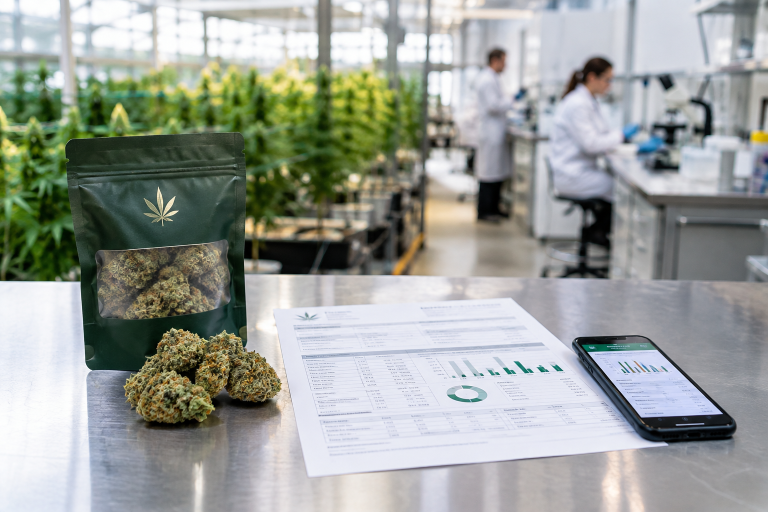
A clear label should connect a specific package to its corresponding production and testing batches. Start by confirming the product name, flower type, and net weight. Then look for cannabinoid figures, especially THCA, delta-9 THC, and total THC when it is provided.
Details Worth Checking
- Product name and net weight
- THCA percentage and delta-9 THC percentage
- Total THC, if listed
- Batch or lot number
- Manufacturing, packaging, or test date
- Expiration or best-by date, if provided
- Storage instructions and age-use warnings
- QR code or another way to access the COA
The lot number is especially important. A lab report from another harvest, package size, or batch cannot confirm the contents of the product under consideration.
What To Check in a Lab Report
A COA should identify the laboratory, product, sample, or batch number, testing date, and results. It should be readable and complete, rather than a cropped image showing only a potency percentage. Independent lab testing can add useful transparency, but consumers should still compare the report with the physical package.
- Match the lot number on the package with the lot number on the COA.
- Review the report date and make sure it is relevant to that batch.
- Check the cannabinoid panel for THCA and delta-9 THC.
- Look beyond potency for contaminant screening.
- Be cautious of missing pages, unclear units, or unexplained pass-or-fail marks.
Potency, THCA, and Total THC
THCA percentage does not necessarily indicate that the heated flower will be mild. A common total-THC calculation uses THCA multiplied by 0.877, then adds delta-9 THC. For example, a flower listed as 22% THCA and 0.3% delta-9 THC would have an estimated total THC of about 19.6% using that formula.
This calculation is useful for understanding labels, but it is not a substitute for legal advice. Laboratory methods, regulatory definitions, and state rules may differ, particularly for finished consumer products.
What Terpenes Can Tell You
Terpenes are aromatic compounds that contribute to a flower’s scent and flavor. A terpene panel may help someone compare products, especially when it lists both the major compounds and their amounts. It should not be treated as a promise of a specific mood, medical outcome, or level of intoxication.
Freshness and storage also matter. Flowers stored away from excessive heat, light, and moisture are generally easier to evaluate by aroma and appearance than flower that have been poorly stored or has an unusually stale, musty, or chemical-like smell.
Contaminants and Product Safety
Potency results do not establish overall product quality. A more complete COA may include panels for pesticides, heavy metals, yeast and mold, microbial contamination, residual solvents, moisture, water activity, and foreign matter. These checks are particularly relevant for products intended for inhalation.
The FDA notes that cannabis-derived products can raise unresolved safety and quality questions, including concerns involving contaminants and product claims. This is a useful reminder that product marketing should not replace careful label and COA review.
State Rules and Drug Testing
As of September 21, 2026, THCA flower is not subject to a uniform set of retail rules across the United States. State and local requirements may address total THC, delta-9 THC, smokable hemp, age limits, labeling, possession, shipping, and testing. A seller’s willingness to ship does not establish that a product is lawful to possess or use in a particular location.
THCA flower can also be a concern for anyone subject to workplace, athletic, probation, or medical drug testing. When THCA is heated and converted into THC, the body can produce THC metabolites. A package labeled hemp does not guarantee a negative test result.
A Simple Buying Checklist
- Confirm the current rules under which the product will be used.
- Check that the package has a legible batch or lot number.
- Find a COA that matches that exact batch.
- Review THCA, delta-9 THC, and total THC information.
- Look for contaminant testing, not only potency testing.
- Check test dates and package condition.
- Follow storage directions and keep the original packaging.
- Use additional caution with unfamiliar or highly potent products.
Conclusion
THCA flower labels provide useful information only when they are read alongside the matching lab report and current local rules. By checking the batch number, cannabinoid panel, safety results, storage details, and legal status before purchase or use, consumers can make more informed decisions than potency claims alone allow.
- A One-Day New York City, New York Skyline Itinerary: Landmarks, Light, and Smart Timing
- A Guide to Choosing a Mother-of-the-Groom Outfit by Venue, Season, and Dress Code
- How to Understand THCA Flower Labels, Lab Results, and Safety Details
- How To Keep Better Car Repair Records And Protect Your Options
- How to Choose Breathable Headwear for Outdoor Work, Events, and Team Programs

